














Acoustic Solutions for Schools & Classrooms
Request a QuoteSound matters in education. Poor classroom acoustics can make it hard for students to concentrate and for teachers to be heard. To support effective learning, experts recommend maintaining internal noise levels below 35 dBA and a reverberation time (T60) of between 0.4 and 0.6 seconds. Meeting these standards typically requires a combination of wall panels, ceiling treatments and soft furnishings.
Common Noise Problems in Schools
Does your school struggle with any of these noise challenges? You're not alone.
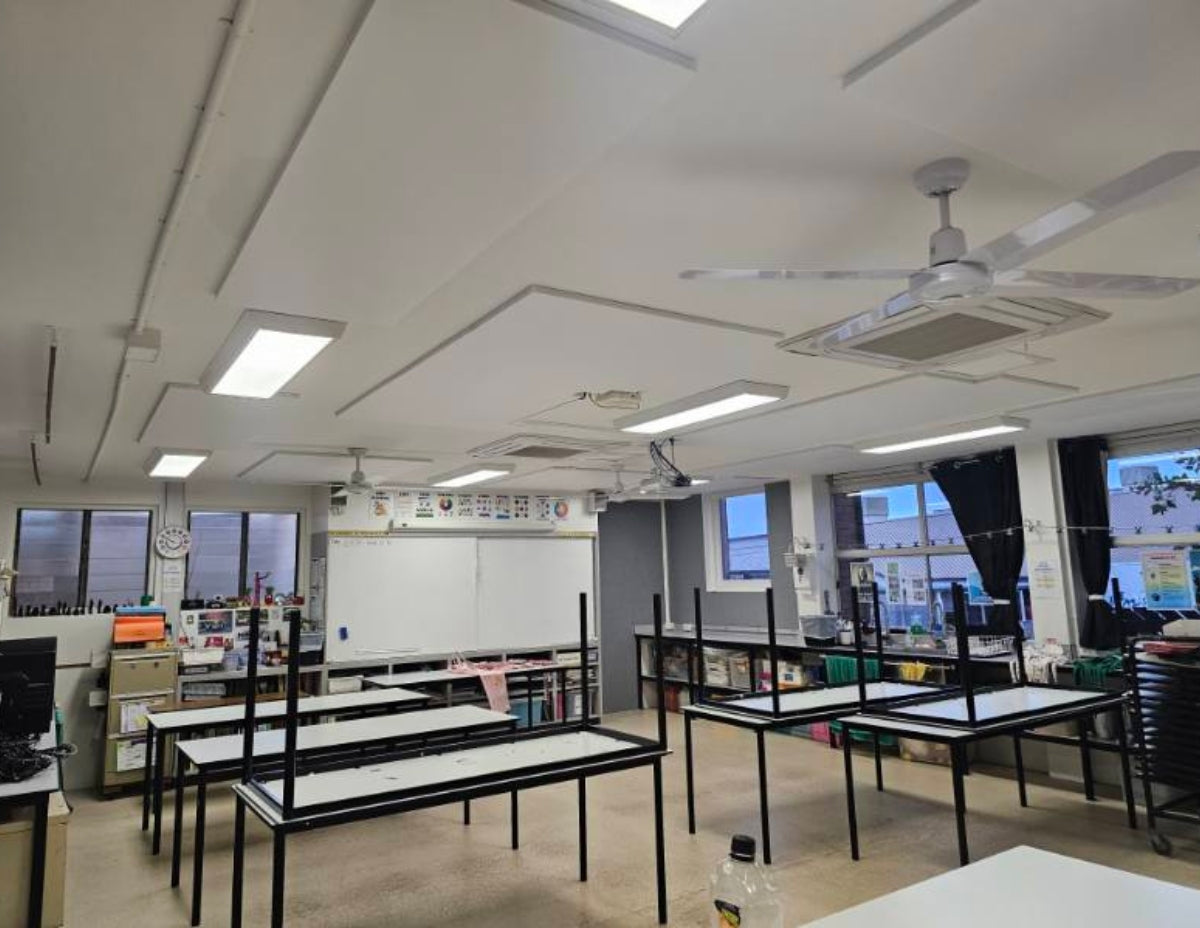
Classroom Echo
Sound bounces off hard surfaces making it difficult for students to hear clearly and concentrate.
Noisy Halls
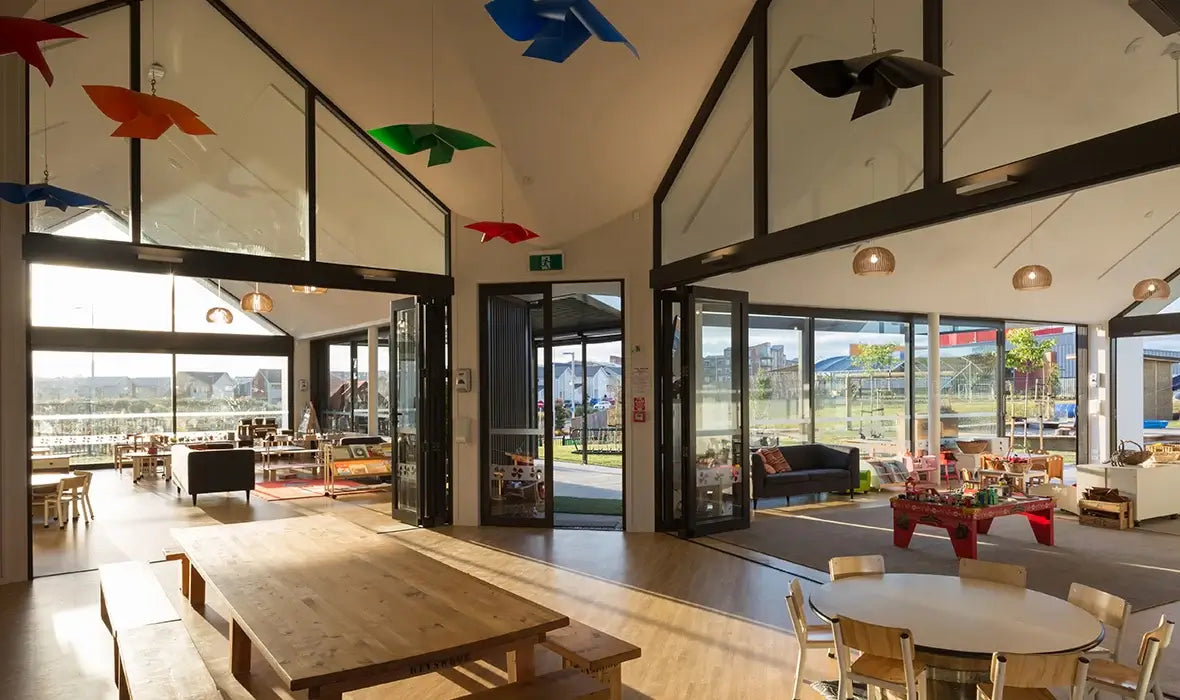
Large open spaces amplify noise, creating overwhelming sound levels during busy periods.
Loud Breakout Spaces
Group work areas become too noisy, disrupting learning and making collaboration challenging.
Corridor Noise
Footsteps and voices echo down hallways, disturbing nearby classrooms and offices.
Sound Between Rooms
Noise travels through walls and doors, affecting privacy and focus in adjacent spaces.
Teacher Vocal Strain
Teachers must raise their voices to be heard, leading to fatigue and long-term vocal issues.
These issues are often described as soundproofing, but are usually solved with sound absorption using acoustic panels.
How Schools Solve Noise Problems
- All
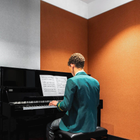
- Classrooms10["eb6aa563","a110497e","e1f71bd1","3678bb9f","a92af990","0b64282c","6bf02568","e33bfd7f","d330d33f","5066aa18"]
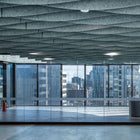
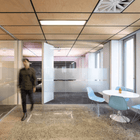
- Breakout Areas8["23356392","dfec86c8","631af665","1c29696c","5630f5b1","f54017f5","e1f71bd1","5066aa18"]
- Music & Performance7["eb6aa563","ffd3d983","ae15f47e","853836ec","1c29696c","637d7047","d20b34d2"]
- Quiet Study6["f54017f5","917650e1","853836ec","5630f5b1","631af665","637d7047"]
- Sports & Activity Spaces5["fc1eca16","d20b34d2","489bb51b","864f0ae9","e7069b06"]
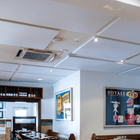
- Corridors & Shared5["a7dc5242","e33bfd7f","0983438b","dd0b602b","d3fa6b52"]




























Find the Right Solution for Your Space
Every school has different noise challenges. The right acoustic or soundproofing approach depends on how the space is used, the surfaces involved, and the level of noise you need to control.
Our team can help you choose solutions that improve clarity, reduce distractions, and create a more comfortable learning environment for students and staff.
Request a quote online or call 0405 702 422 to discuss directly.

EXPLORE OUR FULL RANGE

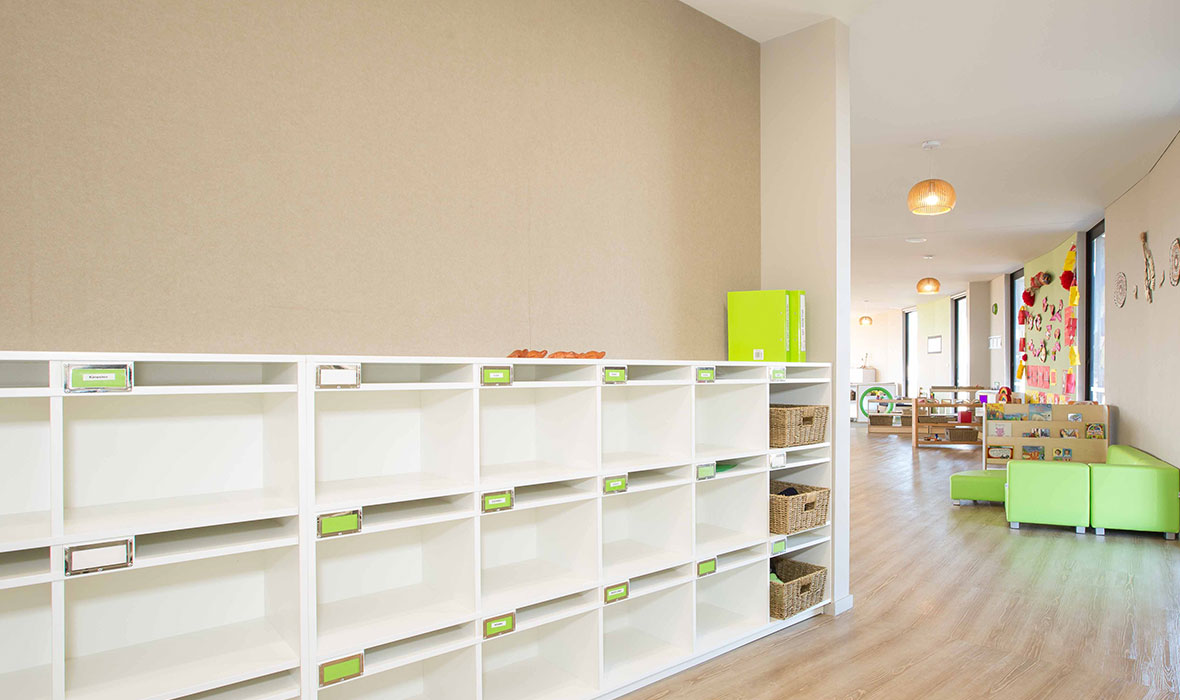
Wall Panels
Absorb sound directly on walls to reduce echo and reflections. Ideal for classrooms and lecture spaces.
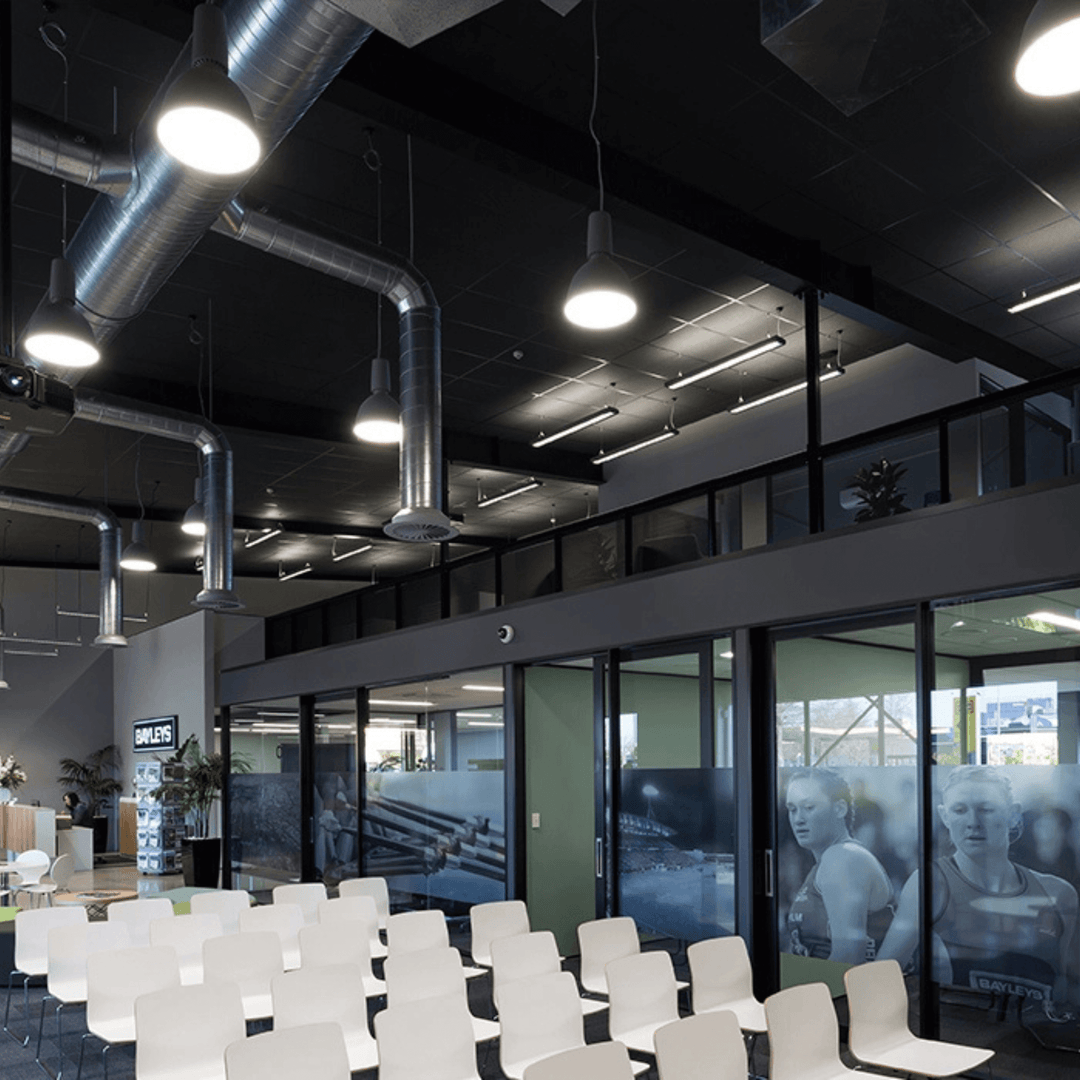
Ceiling Tiles
Ceiling tiles capture overhead noise in high-ceiling areas, controlling sound in open-plan spaces.
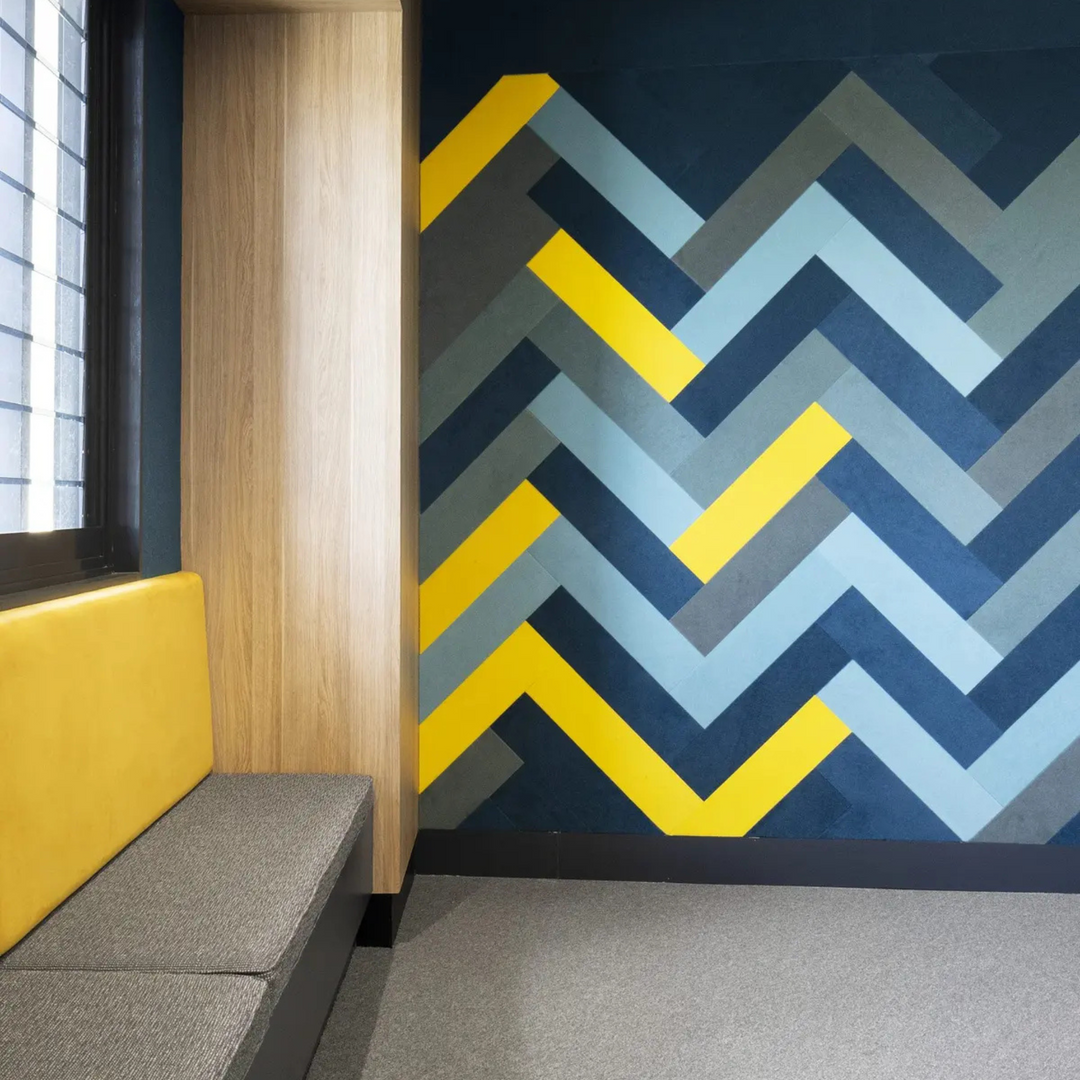
Peel n Stick Tiles
Easy and quick to install, these tiles allow targeted noise control in classrooms, play areas and hallways.
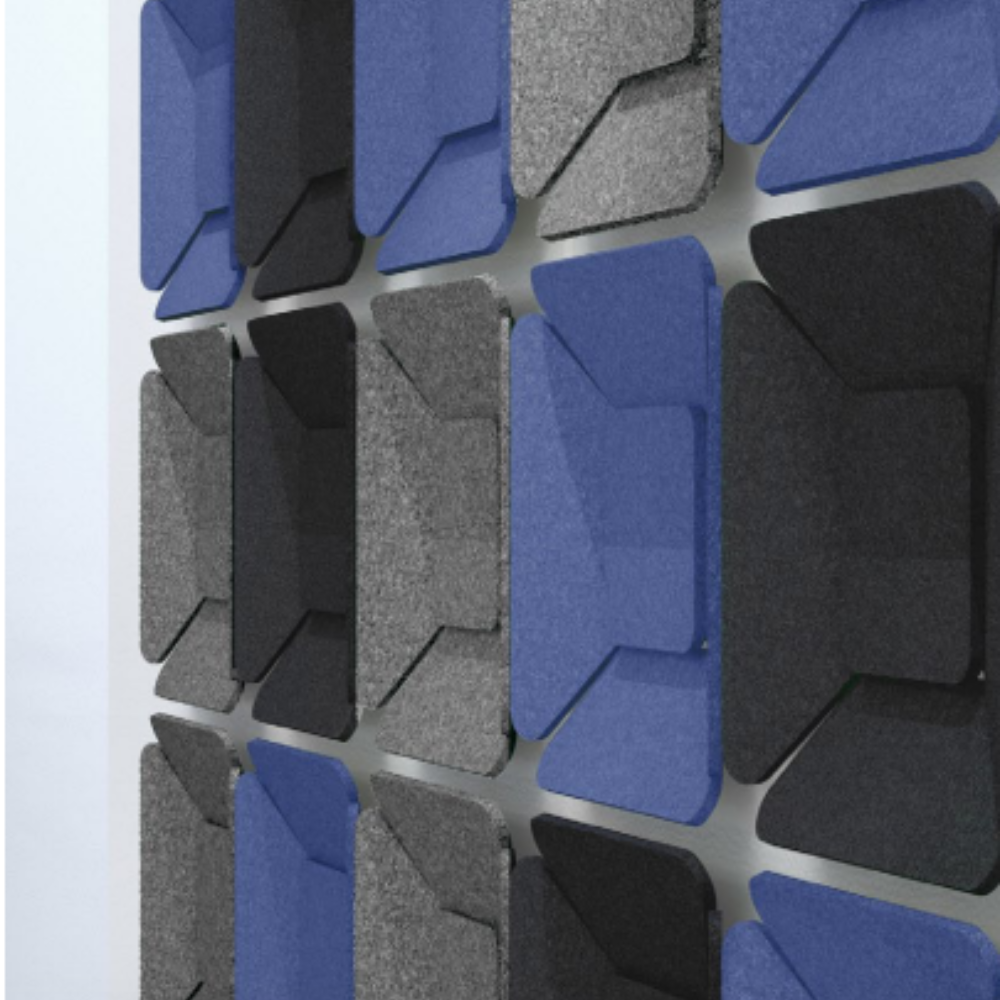
3D Wall Tiles
Add both design and sound absorption with textured 3D tiles to create an engaging and quiet learning environment.
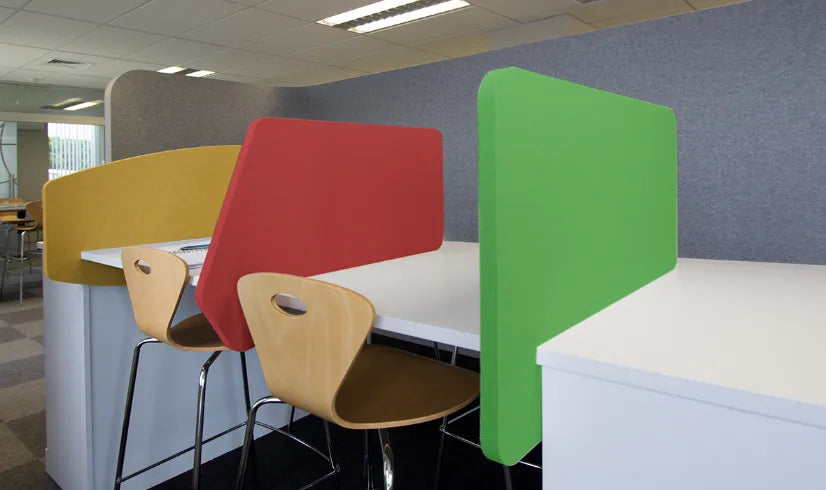
Desk Dividers
Desk dividers create quiet zones within shared study areas, offering privacy and focus in libraries and study halls.
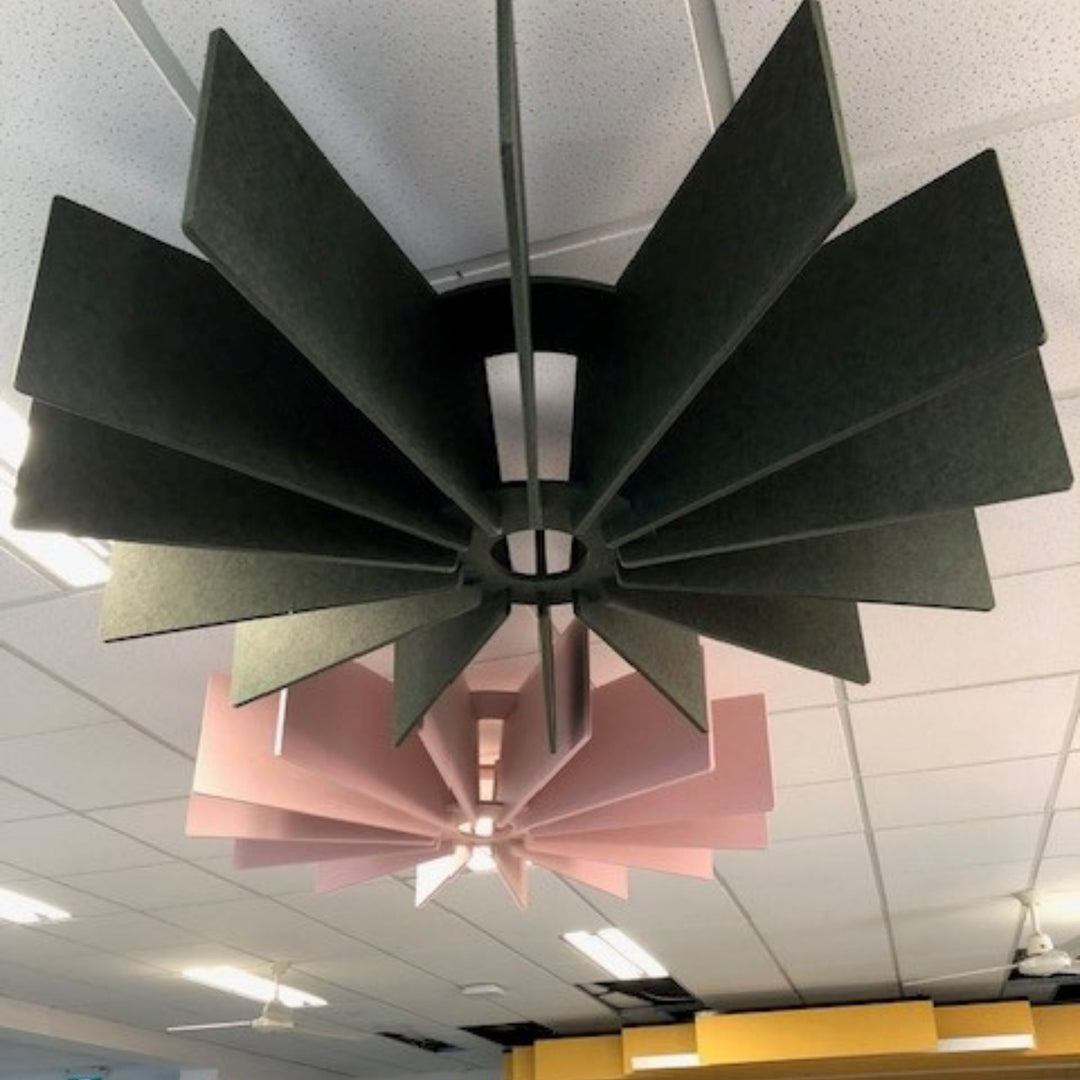
Fins & Rafts
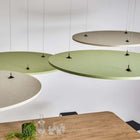
Suspended from the ceiling, acoustic fins and rafts capture and diffuse sound in high-ceiling areas.
OUR LATEST PROJECTS View all


ACOUSTIC GUIDES View all


FAQs
By absorbing excess sound and controlling noise levels, acoustic panels help students focus better and hear teachers more clearly. This leads to improved concentration, better communication, and enhanced overall learning experiences.
Soundproofing blocks sound from travelling between spaces, while acoustic treatment absorbs sound within a room to reduce echo and noise build up.
Most schools benefit from acoustic panels and ceiling treatments rather than full structural soundproofing.
Complete soundproofing is difficult without building modifications, but noise can usually be reduced significantly with acoustic wall panels, ceiling panels, and soft furnishings. These solutions improve speech clarity and make classrooms more comfortable for learning.
For educational settings, products like Autex Quietspace Panels, ceiling tiles, and acoustic desk dividers are highly effective. These products help to reduce noise, improve speech intelligibility, and enhance the overall sound environment in various school settings, including classrooms, auditoriums, and libraries.
Acoustic comfort is crucial in schools to ensure a quiet, focused environment that supports learning and teaching. Proper sound management prevents noise disturbances, reduces stress for students and staff, and contributes to a more effective educational setting.
Classrooms, libraries, study areas, and lecture halls benefit significantly from acoustic treatments. Additionally, common areas, cafeterias, and gymnasiums see improved noise control and reduced echo with acoustic solutions.
By reducing background noise and echo, acoustic solutions enhance speech intelligibility. This helps students concentrate, understand lessons clearly, and actively participate in classroom discussions.
Yes, most acoustic solutions are made to withstand high-traffic areas and are designed with durability in mind. They are easy to clean and maintain, making them ideal for active school settings.
Not necessarily. Many acoustic products, such as peel-and-stick panels and wall-mounted tiles, are easy to install and don’t require extensive construction work, making them convenient for school settings.
Yes, by lowering background noise, acoustic solutions reduce the need for teachers to raise their voices. This leads to less vocal strain and a healthier, more sustainable classroom environment.
Yes, many acoustic solutions are made from sustainable, recyclable, or low-impact materials, making them a responsible choice for schools focused on sustainability.
Most acoustic solutions are low-maintenance and can be cleaned with basic dusting or vacuuming. Specific cleaning instructions vary by product but are generally easy to follow.


